Case study
Bringing virtual reality into Cambridge leadership programmes, from pilot to standard practice
I inherited a proposal to use VR, tested it with a rented pilot across three programmes, and reported impartially. VR is now part of six programmes.
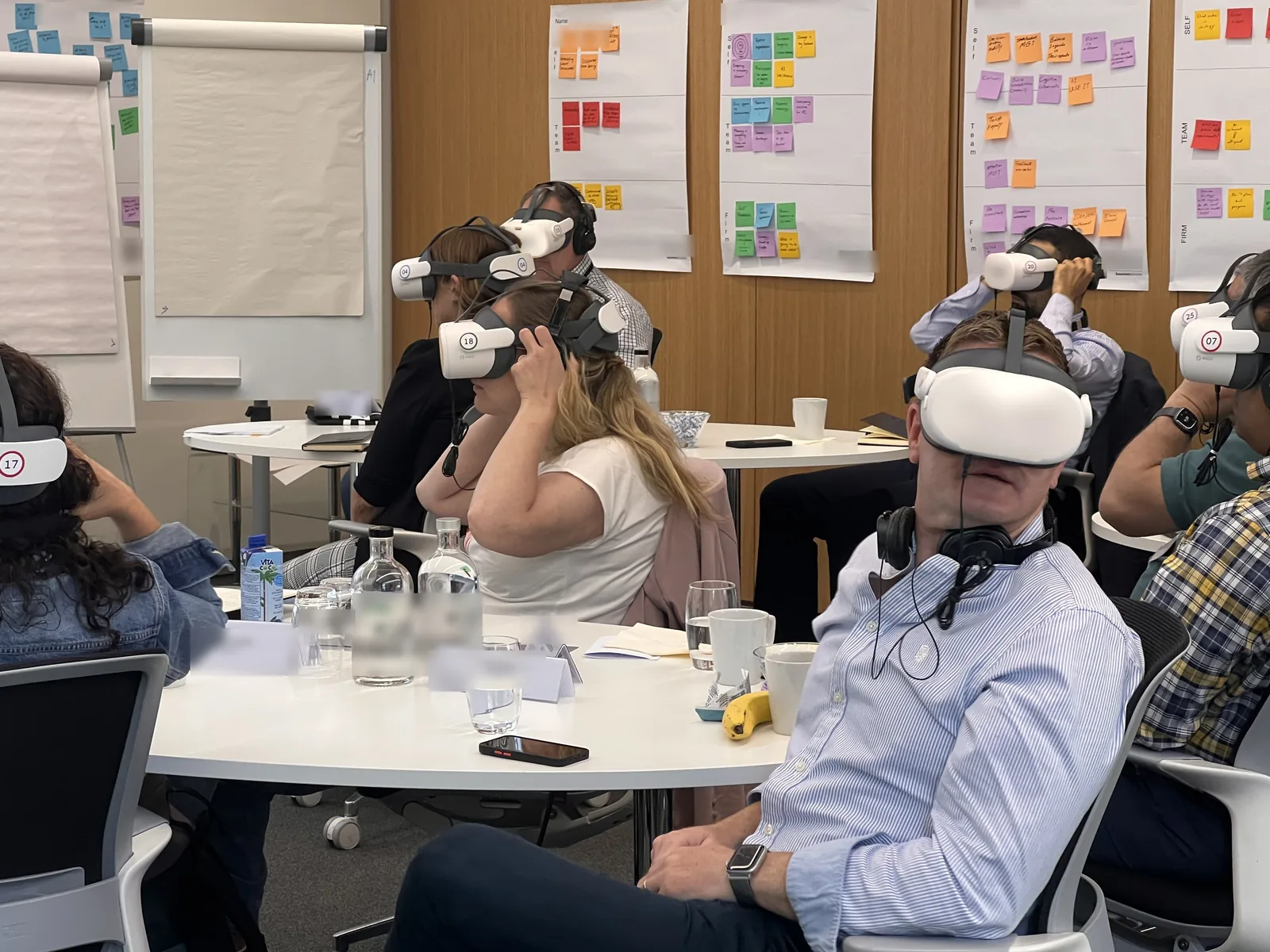
The challenge
Participants on our leadership programmes are senior working professionals. Before each programme they received printed case studies of 30 to 40 pages, and post-programme feedback showed many weren't reading them. Cohorts arrived with very different levels of preparation, which made the first sessions harder to teach.
An earlier proposal to use virtual reality had been started before I joined. I inherited it, and my first job was to decide whether it was worth doing at all.
My role
I led the initiative end to end: evaluating the options, designing and running the pilot, and reporting to the senior leadership team. I worked with a faculty champion, the programme managers who delivered each VR session, and colleagues in IT and Finance.
Constraints
- Programme Directors, IT and Finance all had to agree.
- Headsets risked being used once and then left in a cupboard.
- The School had recently gained B Corp status, so buying more electronic hardware needed a strong case.
- Practical issues: wifi dropping out mid-session, storage, charging, and setup time.
Key decisions and why
- Rent, don't buy. Renting removed the capital approval, answered the sustainability concern and made the pilot fully reversible.
- Pilot, then decide. I ran the pilot across three programmes, using different headsets and different content, so we could compare rather than guess.
- Measure it like everything else. I added VR-specific questions to the existing programme questionnaire, on the same 1 to 5 scale, so results could be compared directly. I also costed setup and takedown time, which usually goes uncounted.
- Report impartially. My report to the senior leadership team set out the benefits and the limits, rather than arguing for the purchase.
- Frame the experience, don't hype it. VR is never the whole session. Each session brief explains why VR was chosen and what immersion adds. Participants who are uncomfortable in a headset are offered an alternative, and we're honest that it's a different experience, not an equivalent one.
What we built
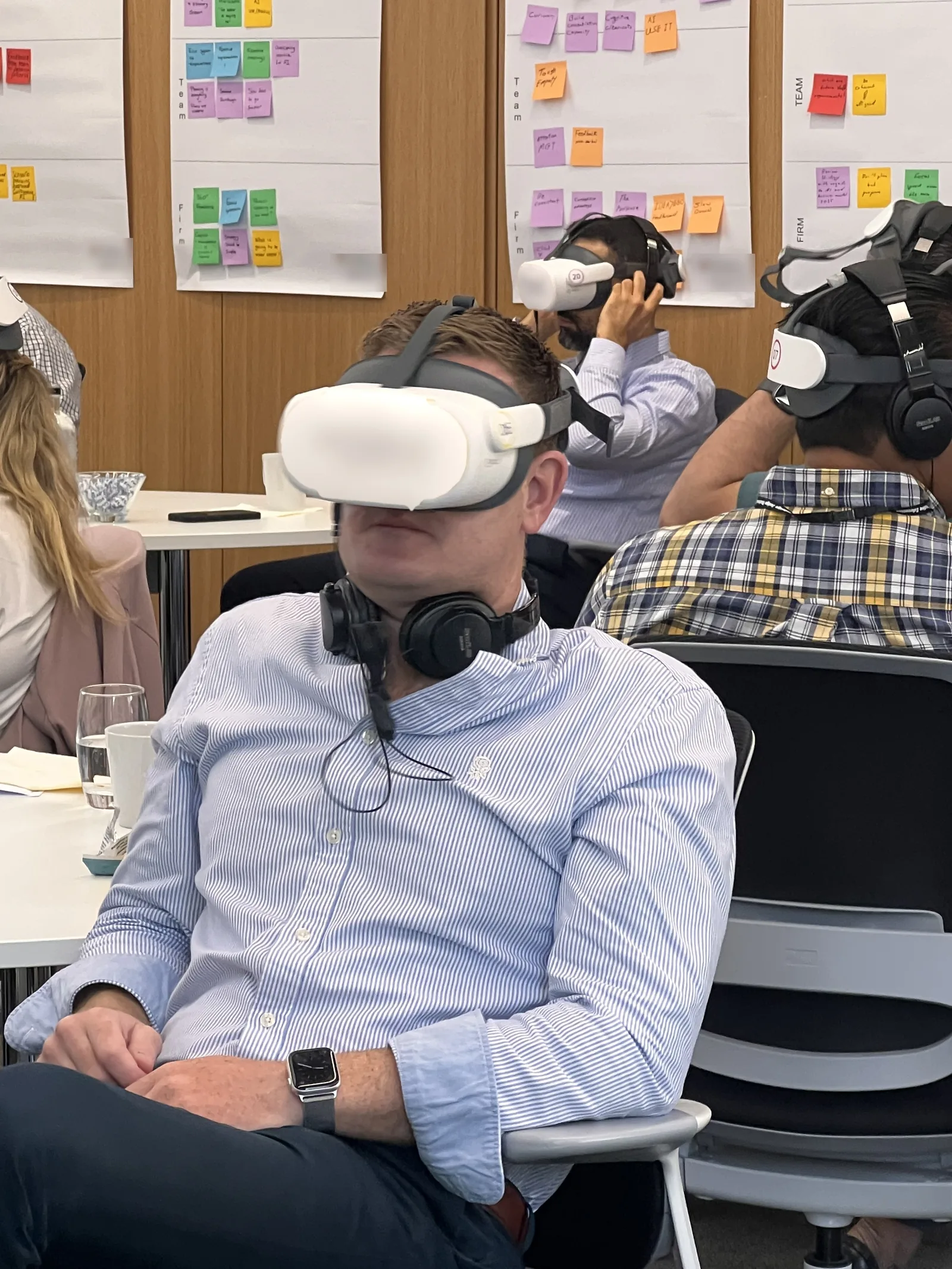
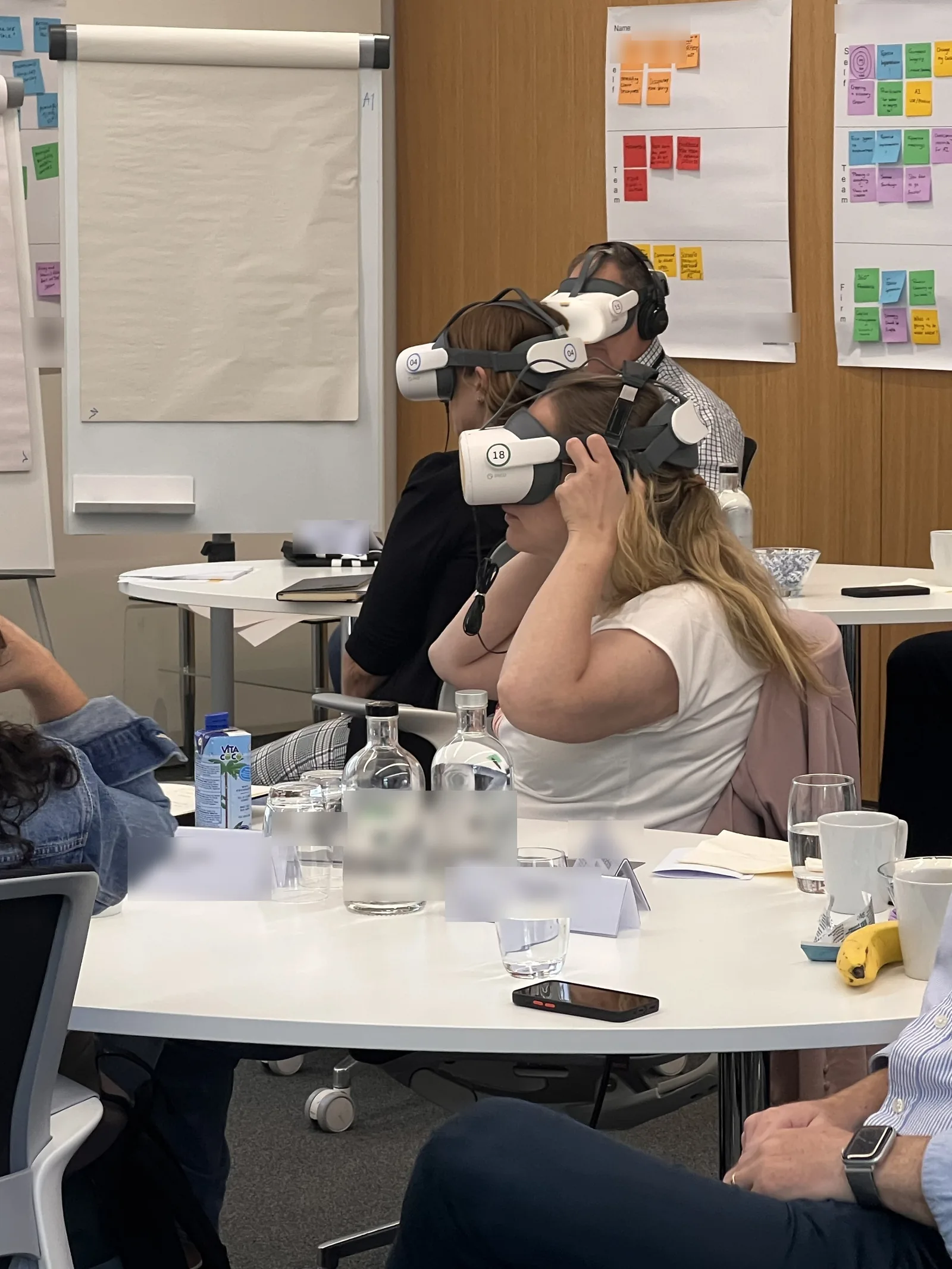
A VR component within leadership sessions, using content from AVRIS and INSEAD XR, chosen because their existing libraries fitted our programmes. After the pilot we chose the PICO 3 headset because it was the most comfortable for people who wear glasses and worked with both content providers.
Results
- The pilot showed higher learner engagement and higher overall programme scores on some programmes.
- The senior leadership team decided to continue, and the School bought a bank of headsets.
- VR is now used in six programmes.
- Participant feedback across all my programmes at the School was consistently 4.8 out of 5 or above.
What I'd do differently
I'd put much less emphasis on VR as shiny new technology. I learned this, fittingly, on a programme for marketing professionals, where the programme's own promotion led with the VR. Next time I'd keep VR out of the marketing altogether, so participants arrive expecting a learning experience, not a wow factor, and the VR is judged on what it adds to their learning.